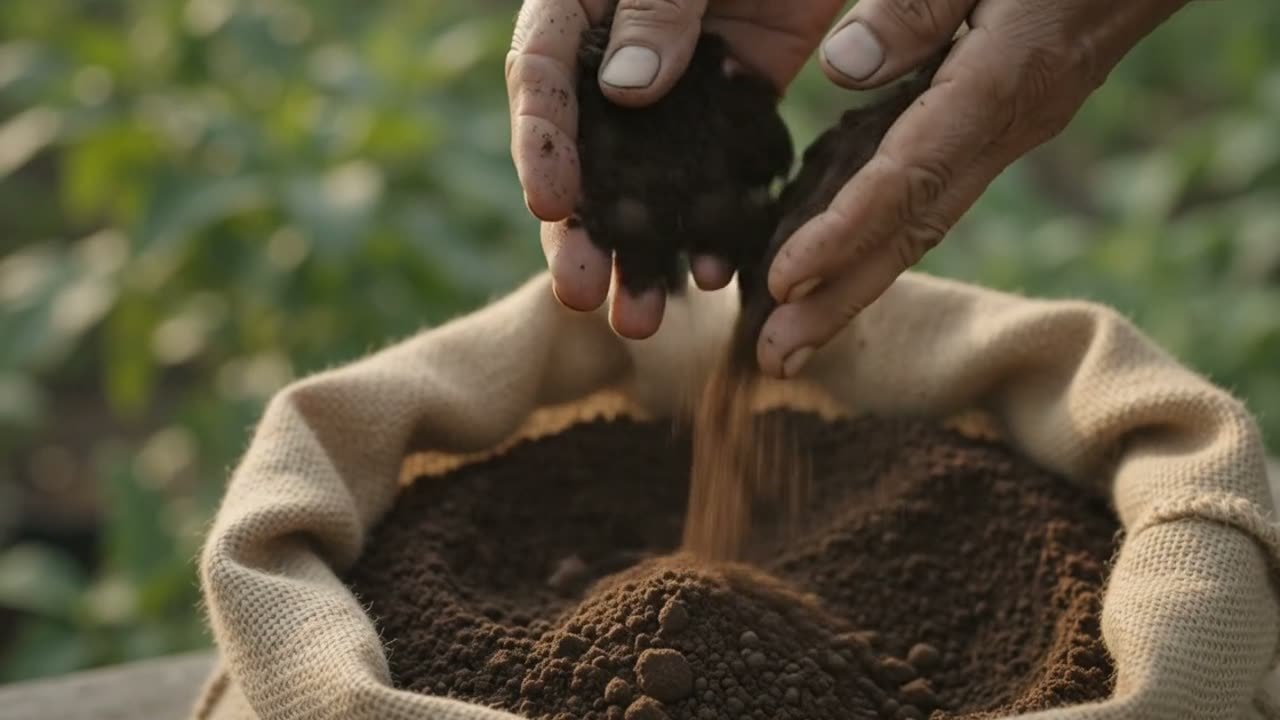
Vermicompostजैविक केंचुआ खाद
Living soil in a bag. The only fertiliser most plants ever need.
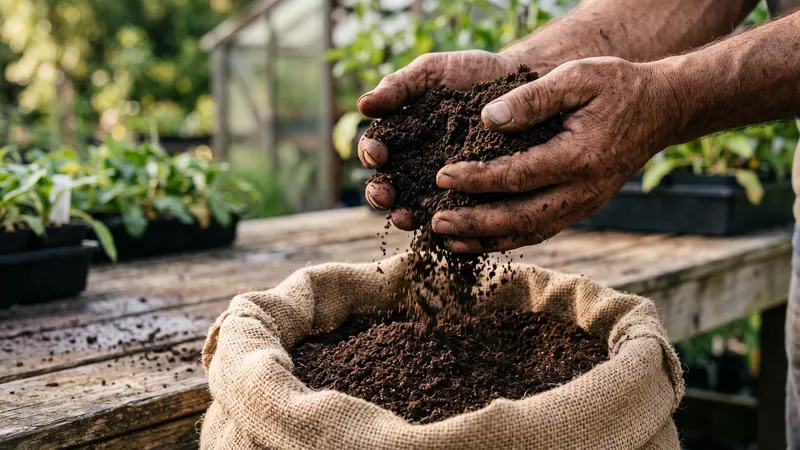
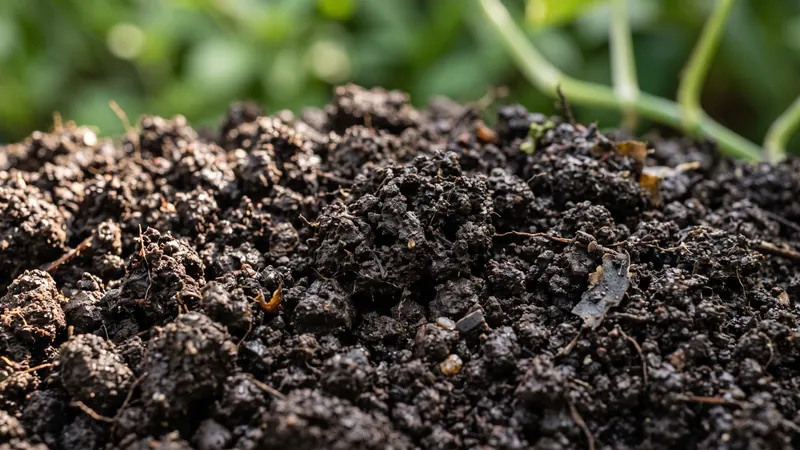
Earthworm castings, screened and cured — not chemical fertiliser. It feeds slowly instead of forcing a growth spurt, holds water in sandy soil, loosens clay, and cannot burn roots the way urea does if you are generous with it. Safe around children, pets and food crops, which matters when it is going into the tulsi by the door.
- Slow-release, so one application lasts a season
- Will not burn roots, unlike urea or DAP
- Improves drainage in clay and water-holding in sand
- Safe around children, pets and vegetables
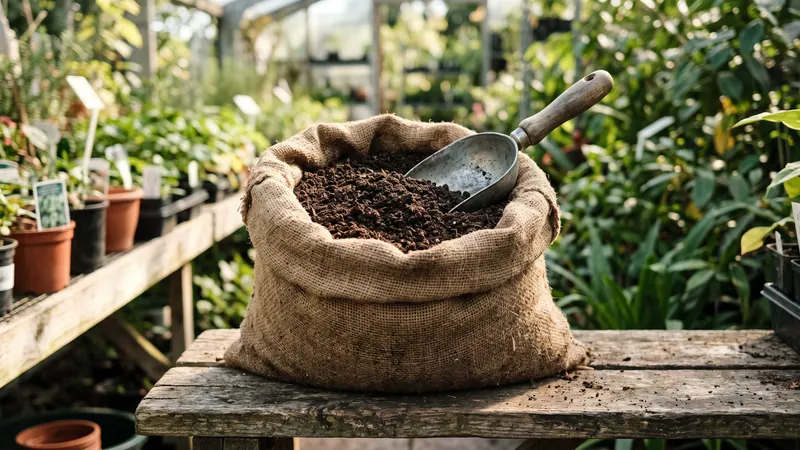
Pack size
- Free delivery over ₹999 in Samastipur
How to use it
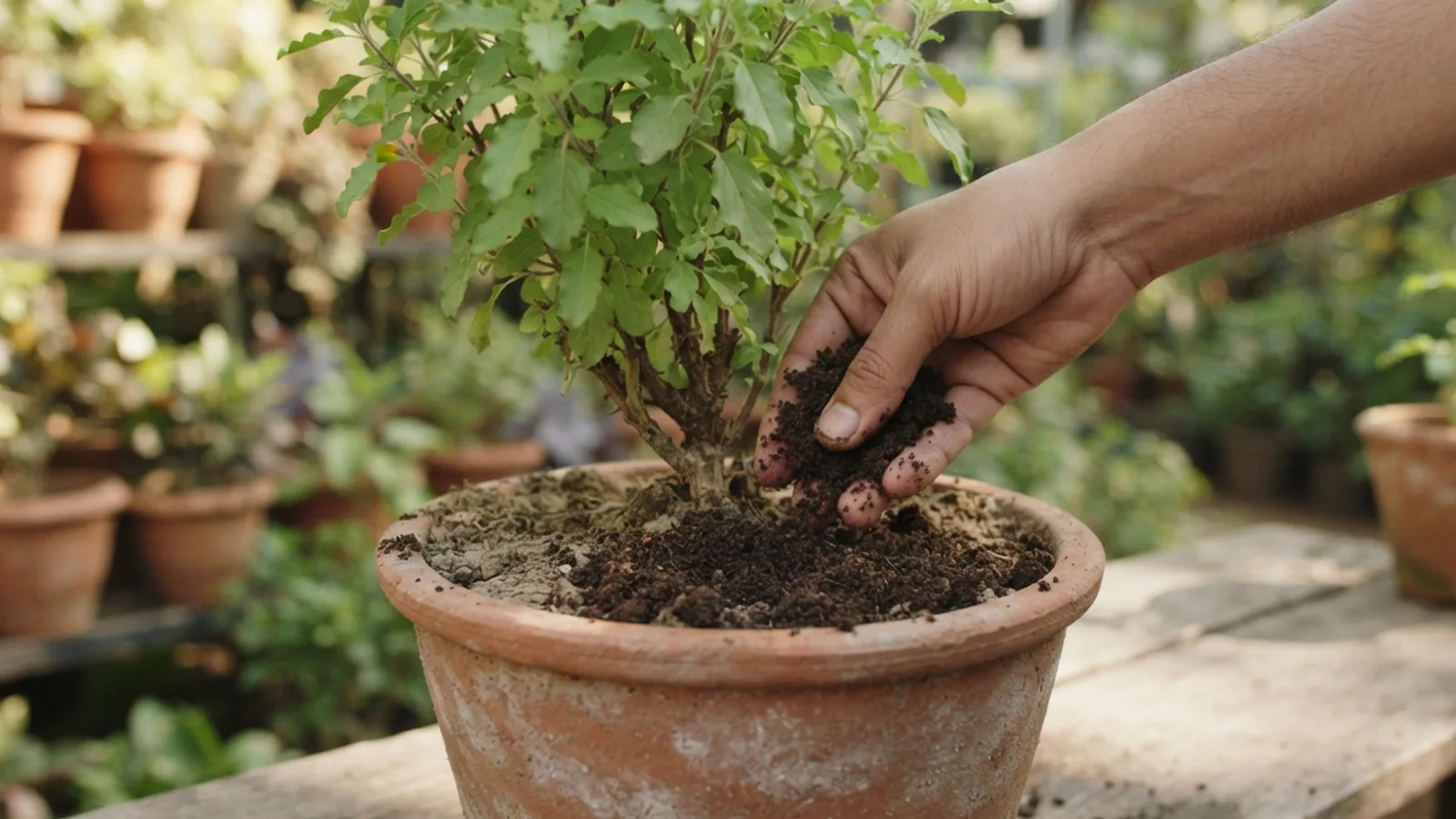
- Potted plants: mix one part compost into every four parts soil at potting.
- Established pots: a handful worked into the top inch, once a month in the growing season.
- Garden beds: 2–3 kg per square metre, dug in before planting.
- Vegetables: same again at flowering, and water it in.